Buying Property in the Dominican Republic: A Complete Guide for Foreigners
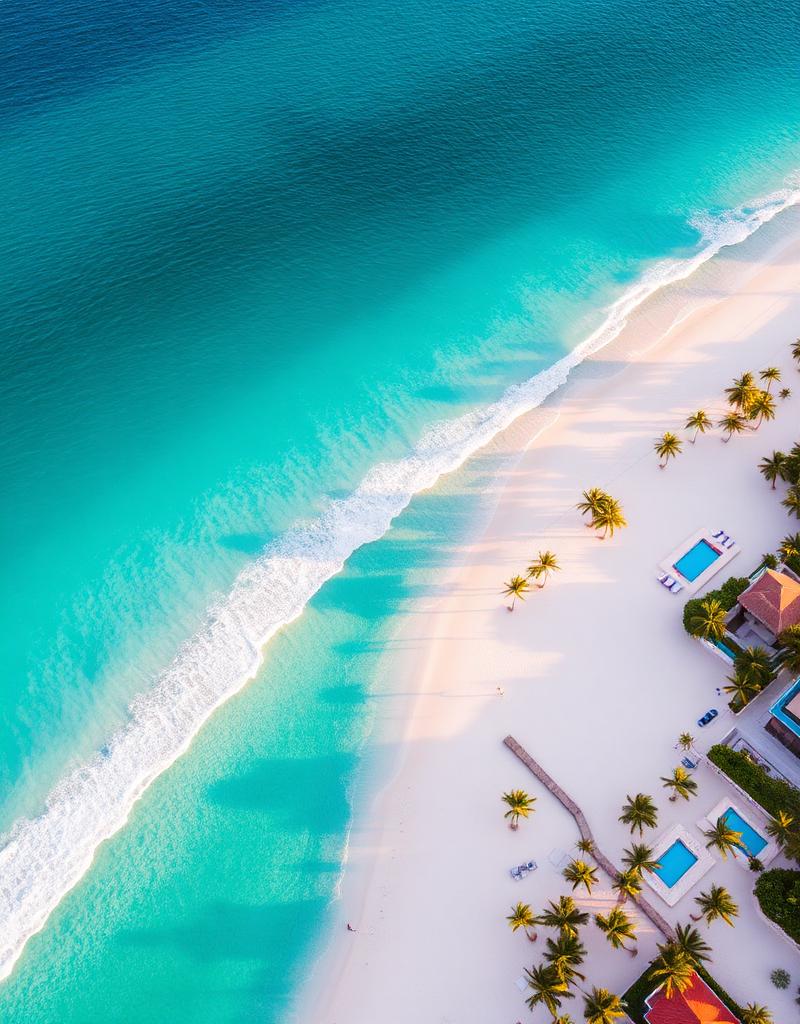
The Dominican Republic has quietly become one of the most accessible and legally secure property markets in the Caribbean for foreign buyers. Unlike many of its neighbors, the DR imposes no restrictions on foreign ownership, has a functioning title registry system, and offers a range of tax incentives specifically designed to attract international investment. The question is no longer whether to buy — it's how to do it intelligently.
Why the Dominican Republic?
The DR is the largest economy in Central America and the Caribbean, with GDP growth averaging around 5% over the past decade. Tourism drives a significant share of that growth, with over 8 million annual visitors — and those visitors generate the rental demand that makes investment property here genuinely profitable, not just aspirational. Average short-term rental yields in Punta Cana run between 6% and 9% net, depending on property type and management quality.
The legal framework is another major draw. The 2005 Real Property Registry Law (Ley 108-05) modernized the title system significantly, creating a centralized registry that dramatically reduced the title fraud and land disputes that plagued the market in earlier decades. A properly conducted title search today gives buyers a high degree of confidence — far higher than many comparable markets in Latin America.
Choosing your zone
The DR has four established investment zones for foreign buyers: Punta Cana, Cap Cana, Las Terrenas, and Cabarete. Each serves a different buyer profile and investment thesis. Punta Cana offers the highest rental volume and the broadest range of price points. Cap Cana targets the ultra-luxury segment with its private marina and Jack Nicklaus golf course. Las Terrenas attracts European expats and long-stay visitors with its cosmopolitan beach-town culture. Cabarete is the active-lifestyle capital — kitesurfing, windsurfing, and a growing digital nomad community.
Do not try to shortcut this step. Buyers who chose a zone based purely on price or a single agent recommendation frequently end up with properties that underperform their expectations. Spend time in each zone you're considering, ideally during both peak and shoulder season, before committing.
Working with a licensed agent
Every agent operating legally in the Dominican Republic must hold a license issued by the DGII (Dirección General de Impuestos Internos). This is not a formality — working with an unlicensed agent exposes you to transactions with no legal accountability. Ask for the license number at the first meeting and verify it at dgii.gov.do.
A good agent in the DR does more than show properties. They navigate the relationship with the seller's side, understand the informal market (many of the best properties are never listed publicly), know which developers are reliable and which are not, and can often negotiate meaningfully. The agent's commission is typically paid by the seller — as a buyer, you generally pay nothing for the service.
Due diligence and the title search
This is the most important step in the entire process and the one most frequently rushed. Before signing any contract or paying any deposit, your attorney must order a full title search (estudio de títulos) at the Registro de Títulos for the judicial department where the property is located. This search verifies the chain of ownership back to the original land grant, identifies any liens or encumbrances, and confirms that the registered owner is who you believe it is.
For beachfront property specifically, the title search must include verification against the maritime zone boundary. Dominican law reserves a 60-meter strip from the high-tide line as public land — no private party can own this, regardless of what a deed says. Maritime zone encroachments are the single most common title problem in beachfront markets. A licensed surveyor (agrimensor) must physically verify the property boundary.
Choosing your ownership structure
Foreign individuals can hold freehold property title in their own name — this is the simplest and most tax-efficient structure for most buyers. Alternatively, some buyers use a Dominican SRL (similar to an LLC) or a fideicomiso (trust) for liability protection or estate planning reasons. However, be aware that corporate-held properties lose the individual IPI (property tax) exemption threshold, making them more expensive to hold annually.
Regardless of your chosen structure, execute a Dominican will (testamento) at the time of closing. DR property follows Dominican succession law, not your home country's — without a DR will, your property passes under the Civil Code's forced heirship rules, which allocate fixed shares to children and spouses irrespective of your home-country estate plan.
The preliminary sales contract
Once due diligence is complete and you've agreed on price, a preliminary sales contract (promesa de venta) is signed before a notary. The buyer deposits 10% of the purchase price into escrow. The seller removes the property from the market. This contract binds both parties — if the seller withdraws without cause, they typically must return the deposit doubled; if the buyer withdraws without cause, the deposit is forfeited.
The preliminary contract also sets the timeline to closing — typically 30 to 90 days, depending on complexity. CONFOTUR filings, if applicable, are initiated during this period.
CONFOTUR and tax planning
Law 158-01 (CONFOTUR) offers one of the most generous tax incentive packages in the Caribbean: a 15-to-20-year exemption on transfer taxes, annual property taxes (IPI), rental income taxes, and import duties on furnishings. The exemption applies to qualifying new construction within designated tourism zones. If your property qualifies, confirm the certificate directly with the Ministry of Tourism — do not rely on a developer's word alone.
Without CONFOTUR, the transfer tax is 3% of the registered purchase price. This is a one-time cost. IPI — the annual property tax — is 1% of assessed value above approximately $170,000 USD. Assessed value is typically well below market value, so the effective rate is lower than it appears. Our attorneys can calculate your estimated IPI before purchase so there are no surprises.
The final deed and closing
The notarized deed of sale (Acto de Venta) is executed once all conditions are satisfied. The remaining purchase price is transferred — typically by international wire — and legal ownership passes at this moment. Your attorney then files the deed at the Registro de Títulos to issue a new certificate of title (certificado de título) in your name. This registration process takes 30 to 90 days but does not affect your ownership, which vests at the moment the deed is executed.
Annual costs to plan for
- IPI (property tax): 1% of assessed value above ~$170k USD annually (waived with CONFOTUR)
- HOA fees: $150–500/month depending on the complex and amenities
- Property management: 18–22% of gross rental revenue if using a manager
- Utilities: $200–400/month for electricity, water, internet
- Insurance: $100–300/month for a typical residential property
- Legal and accounting: ~$500–1,000/year to maintain filings and tax compliance
The path to residency
A property purchase of $200,000 USD or more qualifies you to apply for investor residency (Residencia por Inversión). After two years of temporary residency, you can apply for permanent residency. After two years of permanent residency, you can apply for Dominican citizenship. For buyers who are also interested in a second passport, the DR offers one of the most straightforward paths in the Caribbean — the property investment that generates rental income simultaneously qualifies you for a residency process that leads to citizenship.
Ready to start your search?
Browse verified listings across all major DR zones, or speak with one of our attorneys before you buy.